
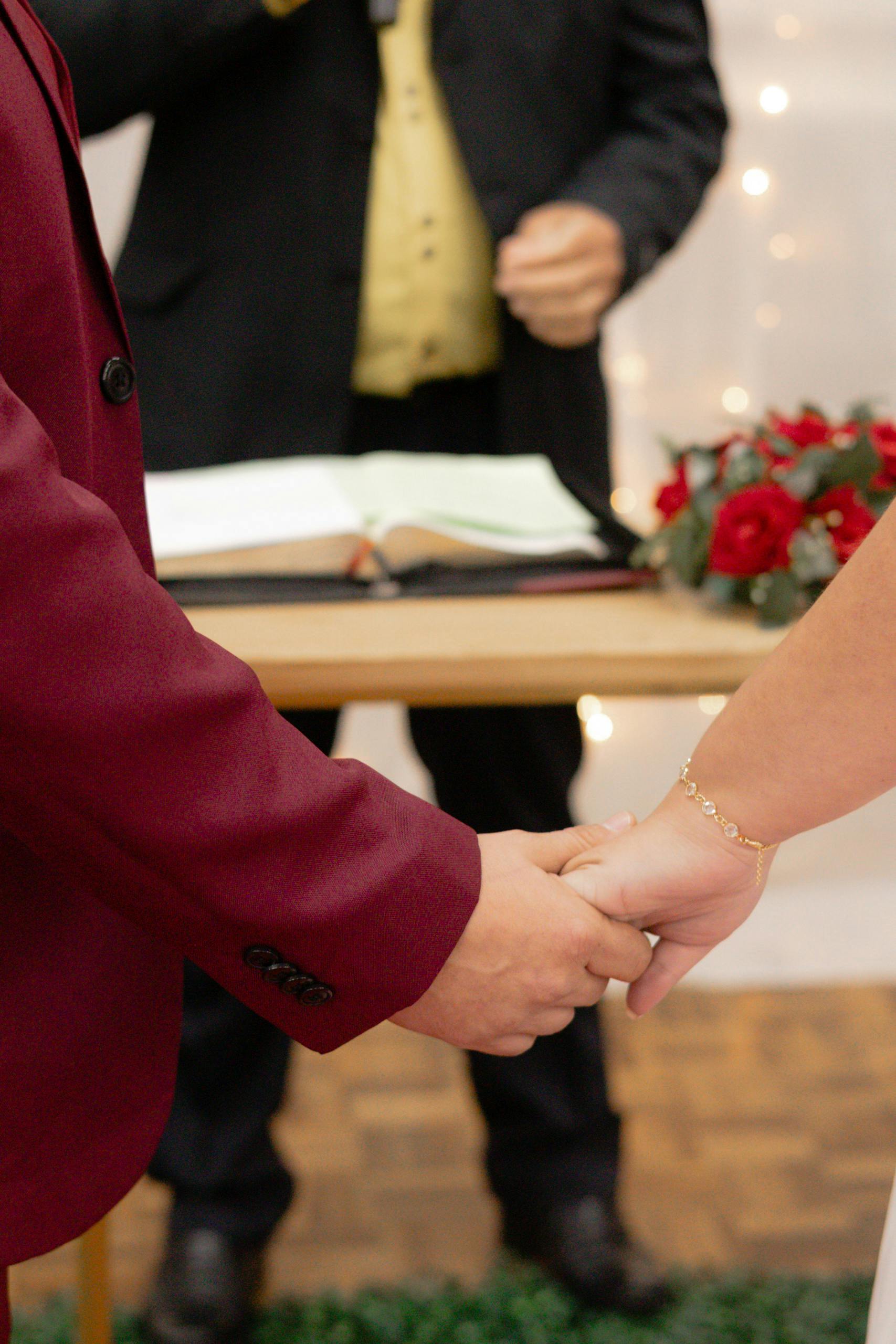
A wedding officiant, also known as a marriage officiant or wedding celebrant, is the person legally authorized to perform your wedding ceremony and make your union officially recognized by law. What does an officiant do? In short, they do far more than stand at the altar and say a few words. They are the architect of your ceremony, the legal authority who binds your marriage, and often one of the most memorable voices from your wedding day.
Furthermore, understanding what an officiant does is crucial before you begin your wedding planning. Whether you choose a religious leader, a professional wedding officiant, or a friend who gets ordained online, the responsibilities attached to this role are both significant and surprisingly broad. In this guide, we’ll walk you through every duty, legal, ceremonial, and personal, so you can make the best choice for your big day.
1. Legal Duties of a Wedding Officiant
First and foremost, the most critical function of a marriage officiant is a legal one. Before the ceremony even begins, your officiant must verify that a valid marriage license has been obtained by the couple. Without this document, no ceremony, no matter how beautiful, will be legally recognized.
Additionally, after the ceremony concludes, the wedding officiant is responsible for signing the marriage license along with the couple and any required witnesses. This signed document must then be submitted to the appropriate local government office, usually a county clerk or registrar, within a legally mandated timeframe, which varies by state or country.
Key Legal Responsibilities
- Verify the marriage license before the ceremony
- Confirm their own ordination or legal authority to officiate in the jurisdiction
- Pronounce the couple legally married during the ceremony
- Sign the marriage license after the ceremony
- Ensure the license is filed with the appropriate government authority
It is therefore absolutely essential that your chosen officiant is legally recognized in the state, county, or country where your wedding takes place. Laws differ significantly. what qualifies someone to officiate in one location may not be valid in another.

2. Pre-Ceremony Planning & Meetings
Beyond the legal side of things, a professional wedding officiant will typically schedule several meetings with the couple before the wedding day. These pre-ceremony consultations are where the magic begins. Consequently, the officiant gets to know the couple’s story, values, and vision, all of which inform the ceremony script.
“A great officiant doesn’t just read words from a script, they tell your story in a way that moves every single person in the room.”
During these meetings, the wedding officiant will typically cover:
- The couple’s love story and how they met
- The overall tone of the ceremony (religious, secular, humorous, intimate)
- Whether the couple wants to write their own wedding vows
- Readings, rituals, or special cultural traditions to include
- The order and timing of the ceremony
- Coordination with the wedding planner or venue coordinator
3. Writing & Delivering the Ceremony Script
One of the most time-consuming, and most rewarding, parts of what a wedding officiant does is crafting the ceremony script. This is not a one-size-fits-all document. Instead, a skilled officiant will write a personalized script that reflects the couple’s unique relationship, shared values, and the tone they want to set for their marriage.
Moreover, the ceremony script typically includes the following elements:
- Welcome & Opening Remarks — greeting guests and setting the emotional tone
- Acknowledgment of Loved Ones — honoring family, friends, or those who couldn’t attend
- Readings or Poems — selected passages read aloud by the officiant or guests
- Declaration of Intent — the formal “I do” moment
- Exchange of Vows — traditional or personally written vows
- Ring Exchange — the symbolic giving of wedding rings
- Pronouncement of Marriage — the official legal declaration
- The First Kiss — the celebratory moment couples and guests love
- Introduction of the Couple — announcing the newly married couple
4. Guiding Couples Through the Vow-Writing Process
Interestingly, many couples struggle with writing their own wedding vows, and a great wedding officiant serves as a guide through this process. They will often provide prompts, examples, and gentle feedback to help couples express their feelings authentically, without going blank at the altar.
As a result, couples who work closely with their officiant on vow writing tend to feel more confident and emotionally prepared on their wedding day. The officiant will also advise on appropriate vow length, typically 1–2 minutes per person, and help ensure the language feels natural when spoken aloud.
5. Leading the Wedding Rehearsal
Another key duty of a wedding officiant is running the rehearsal, which typically takes place the evening before the wedding. This rehearsal walk-through ensures that everyone in the wedding party, including the couple, bridal party, readers, and parents, knows exactly where to stand, when to move, and what to expect.
Specifically, the officiant will rehearse the processional order, practice any readings or rituals, and do a full run-through of the ceremony. This significantly reduces anxiety and ensures the actual ceremony flows smoothly and professionally.
6. Types of Wedding Officiants
Not all wedding officiants are the same. In fact, there are several different types, and each brings a different flavor to your ceremony. Understanding your options will help you find the right fit.
- Religious Officiants
Clergy members, such as priests, ministers, rabbis, or imams, are among the most traditional choices. They bring spiritual depth and can incorporate faith-based rituals, prayers, and blessings into your ceremony. However, they may require pre-marital counseling or adherence to specific religious guidelines.
- Civil Officiants
Judges, justices of the peace, and court clerks are authorized to perform legal civil ceremonies. These tend to be shorter and more formal, making them ideal for courthouse weddings or intimate elopements.
- Professional Wedding Officiants
A professional or non-denominational wedding officiant offers the most flexibility. They are experienced in crafting customized ceremonies, accommodating diverse beliefs, and maintaining a calm, authoritative presence, even when things don’t go exactly to plan.
- Friend or Family Officiant
Increasingly, couples are choosing a trusted friend or family member to get ordained and officiate their ceremony. This adds a deeply personal touch, though it does require extra preparation to ensure all legal requirements are met.
7. Day-Of Responsibilities
On the actual wedding day, the wedding officiant arrives early to coordinate with the venue, sound team, and wedding planner. They ensure the microphone is working, confirm the marriage license is present, and check in with the couple before the ceremony begins. Throughout the ceremony, the officiant manages pacing, responds to unexpected moments, and keeps the energy warm and focused.
In addition, experienced officiants know how to handle common challenges, nervous couples forgetting their vows, unexpected weather, emotional outbursts, or technical issues, with grace and professionalism. Their calm presence anchors the entire ceremony.
8. How to Choose the Right Wedding Officiant
When selecting your wedding officiant, consider the following factors:
- Legal credentials — verify they are authorized to officiate in your location
- Style & personality — their energy should complement your ceremony tone
- Experience — ask how many weddings they have officiated
- Willingness to personalize — a great officiant tailors every ceremony
- Availability for meetings — pre-ceremony consultations matter greatly
- References or reviews — read testimonials from previous couples
Ultimately, your wedding officiant will be one of the most visible and heard people at your entire wedding. Therefore, investing time in finding the right person is always worth it.
Final Thoughts
To summarize, what an officiant does encompasses far more than most couples initially realize. From the legal mechanics of filing your marriage license to crafting a heartfelt, personalized ceremony and guiding you through vow writing, the role of the wedding officiant is central to everything your ceremony represents.
In the end, a great wedding officiant is part legal authority, part storyteller, part therapist, and part performer. When you find the right one, they don’t just marry you, they give your love story a voice that everyone in the room will remember for years to come.